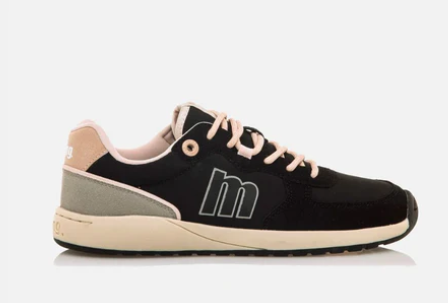
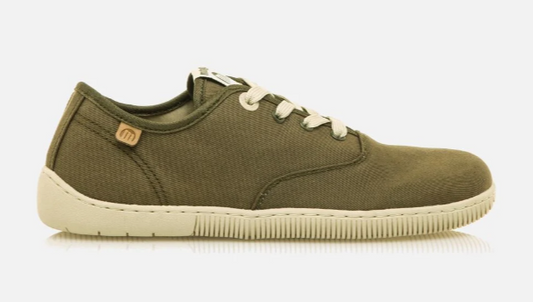
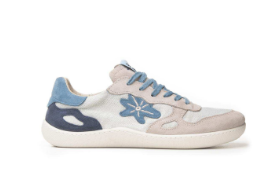
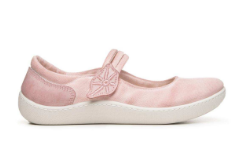
Barefoot Transition Footwear: The first step towards natural gait
Do you want to switch to respectful footwear but are afraid of a radical change? At Ida Barefoot, we understand that the transition must be progressive and safe. That's why we have selected the best beginner models that combine foot health with extra protection.
Whether for daily wear in Torre del Mar or for sports activities, our selection of transition shoes is the perfect bridge to restore your feet's functionality without rush.
Transition shoes, also known as transitional minimalist footwear or gradual barefoot footwear, are a type of shoe designed to help people gradually and safely transition from conventional footwear to barefoot footwear.
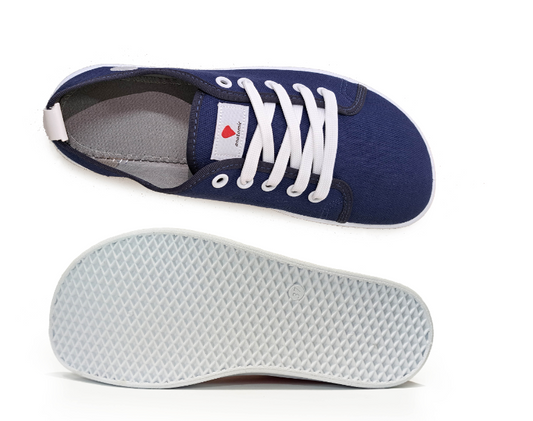
Unlike traditional barefoot footwear, which has no sole or a very thin and flexible sole, transition shoes have a thicker and stiffer sole that provides greater protection and support to the foot during the adaptation process. This helps reduce the risk of injuries and discomfort, such as foot pain, tendonitis, and plantar fasciitis.
Main features of transition shoes:
-
Thicker and stiffer sole: The sole provides greater protection and support to the foot during the transition.
-
Wide toe box: The wide toe box allows the toes to spread out and move naturally.
-
Flexible materials: Flexible materials allow the foot to flex and move naturally.
-
Sole with more cushioning: Ideal if you are looking for barefoot shoes with a thick sole or a transition insole (like Joma's 1 cm insole) to protect the heel while your muscles strengthen.
-
Anatomical Last (Klaso 110.2): Even if the sole is a bit firmer, your toes will enjoy the complete freedom they need to spread out.
-
Flexibility and Health: We transition from rigid conventional footwear to models that respect natural movement, preventing injuries and overloads in the calves or plantar fascia.
Benefits of wearing transition shoes:
-
Reduced risk of injury: The thicker sole and additional support help reduce the risk of foot injuries, such as foot pain, tendonitis, and plantar fasciitis.
-
Gradual transition to barefoot footwear: They allow the foot to gradually adapt to the sensation of the bare ground, which reduces discomfort and facilitates the transition to full barefoot footwear.
-
Improved foot strength and proprioception: By allowing the foot to move and flex naturally, transition shoes can help improve foot strength and proprioception.
-
Greater comfort: Flexible materials and a wide toe box provide greater comfort during daily use.
How to choose the right transition shoes:
When choosing transition shoes, it is important to consider the following factors:
-
Experience level: If you are new to barefoot footwear, it is best to start with a shoe that has more cushioning and support. As your foot adapts, you can gradually switch to shoes with less cushioning and support.
-
Activity: The type of activity you will be doing will also influence your shoe choice. If you are going to walk or run, you will need a shoe with more support than if you are only going to use them for daily wear.
-
Foot shape: It is important to choose a shoe that fits the shape of your foot well. A wide toe box is essential for your toes to move freely.
-
Comfort: The shoe should be comfortable to wear. Try it on before buying to make sure it fits well and does not cause any discomfort.
Recommendations for wearing transition shoes:
-
Start slowly: Do not wear transition shoes all day at first. Start by wearing them for short periods of time and gradually increase the duration of wear as your foot adapts.
-
Listen to your body: If you feel pain or discomfort, stop wearing transition shoes and rest. Do not force the transition process.
-
Combine with conventional footwear: You can combine the use of transition shoes with conventional footwear until you feel comfortable wearing only barefoot footwear.
-
Choose appropriate socks: If you wear socks, make sure they are thin and breathable so they do not restrict foot movement.
Remember that the transition to barefoot footwear should be a gradual and safe process. Do not rush to switch to full barefoot footwear. Take your time for your foot to adapt and enjoy the journey.
❓ Frequently Asked Questions about Barefoot Transition
How long should the transition to respectful footwear last?
There is no fixed rule, as it depends on each foot. Generally, we recommend a period of 4 to 8 weeks. It is ideal to start by wearing your new Joma Atreyu or Coqueflex for a few hours a day and gradually increase the time. Listening to your body is key: if you feel a lot of tension in your calves, return to the transition insole for a few days.
Is it normal to feel discomfort when starting with transition shoes?
Yes, it is very common to feel slight "soreness" in the sole of the foot or tightness in the back of the leg. Your muscles are "waking up" after years of inactivity due to conventional footwear. If the pain is acute, reduce wear time and make sure to do posterior chain stretches.
Why choose footwear with a "thick sole" to start with?
Transition footwear with a bit more thickness or an extra insole (like Joma's double insole system) acts as a bridge. It protects the heel from direct impact on asphalt while your foot regains its natural shape and toe strength. It is the safest option to prevent plantar fasciitis in adults.
Can I use my transition shoes for sports?
For walking and daily use, absolutely! If you are going to run or do high-impact sports like futsal with Joma Flex, we recommend completing at least one month of daily walking use so that your tendons are prepared for the new Zero Drop stride angle. For impact sports, you can use a model like Altra Escalante or Lone Peak with cushioning and zero drop.